Start with the job of the track
Before choosing a preset, define what the music needs to make happen. A reading brief becomes much easier to execute when it names the listener, the scene, the emotional temperature, and the moment where the music should change. For this workflow, the useful starting point is a supportive reading bed with controlled energy, predictable transitions, and enough negative space for the listener's task. That language gives an AI music generator something more actionable than “make it good,” while still leaving room for a surprising hook.
A brief that gives the model a point of view
Write one sentence about the scene, one sentence about the feeling, and one sentence about the musical behaviour. Then add one contrast: a dry vocal against a wide chorus, a restrained verse before a heavy drop, or a warm instrument inside a colder palette. The contrast is often what turns a generic reading idea into a recognisable creative direction.
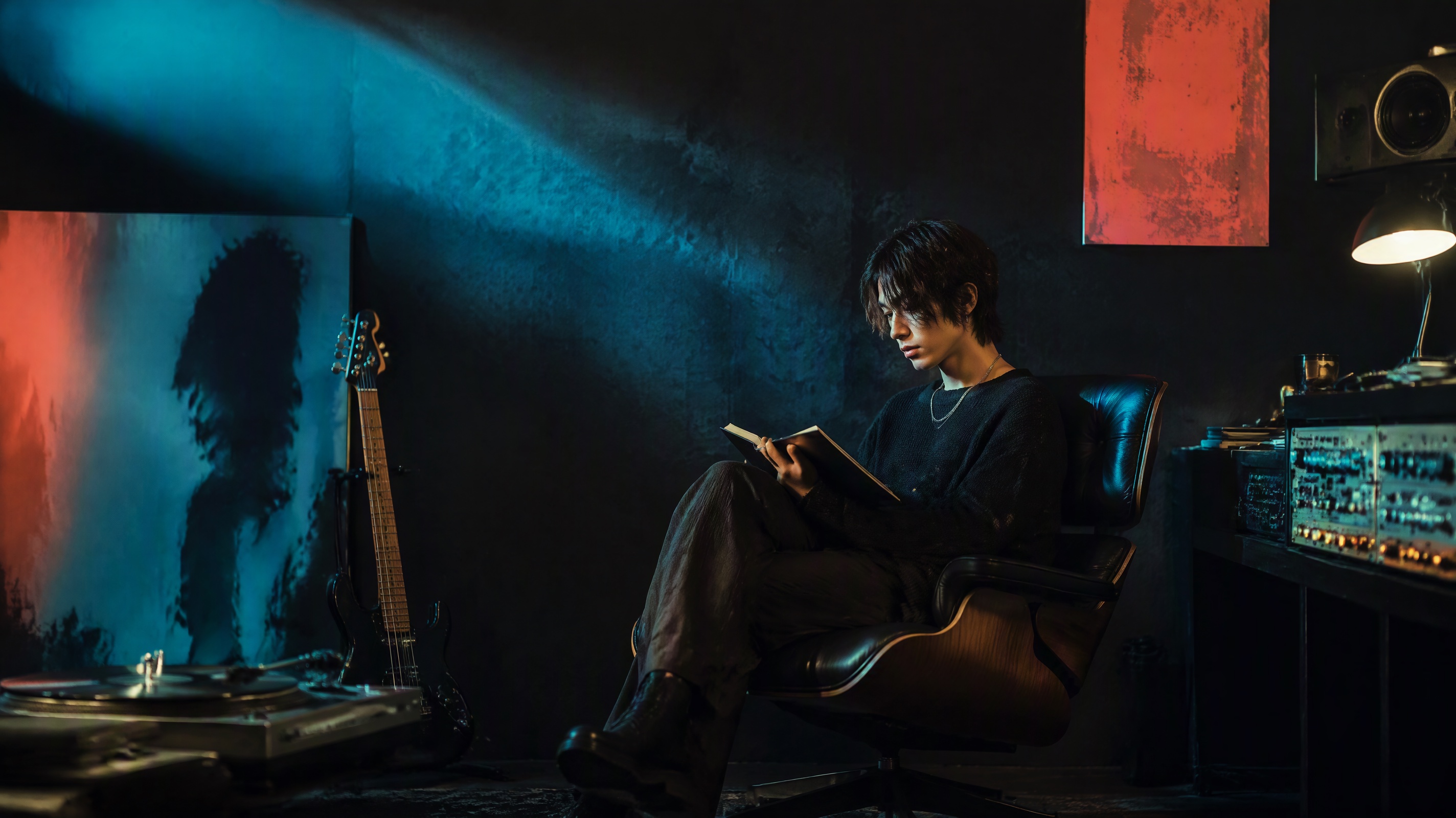
What to listen for in the first Mureka draft
Do not judge the first generation only by polish. Listen for whether the hook arrives at the right time, whether the groove survives the transition, and whether the arrangement leaves space for the rest of the project. In a reading test, the best result is usually the one with a strong usable moment—not necessarily the loudest or busiest version.
- Melody: can you hum the central idea after one listen?
- Structure: do the sections tell the same story as the brief?
- Texture: do the instruments support the scene instead of covering it?
- Editability: can you imagine a 15-second, 30-second, or looped cut?
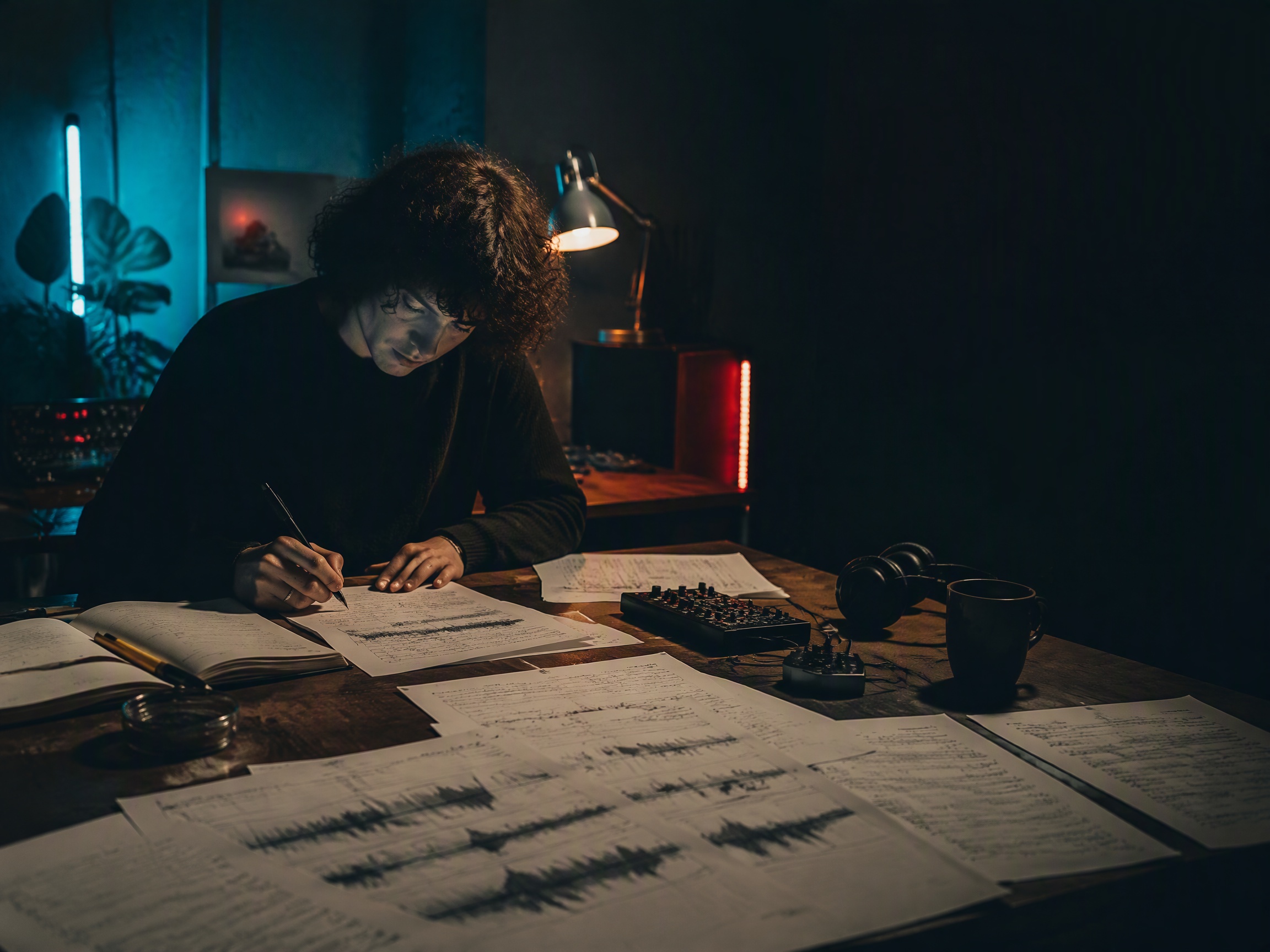
Why creators test Reading in Mureka V9.5
The strongest way to evaluate an AI music generator is to give it a concrete brief and listen for whether the result behaves like a usable piece of music. For Reading, the listening target is a supportive reading bed with controlled energy, predictable transitions, and enough negative space for the listener's task. Mureka V9.5 is a practical first stop because the workflow starts in plain language: you can describe the scene, ask for a musical behaviour, hear a draft, and make the next prompt answer one focused question. That makes the page useful for exploration without pretending that one generation is final.
- Start with one clear emotional or narrative job.
- Keep the best musical moment and revise only one variable.
- Render an alternate edit when the scene needs a different length.
Where this workflow earns its place
This reading workflow can support focus sessions, study playlists, wellness apps, retail spaces, creator routines. The same prompt can be adapted for a long-form cue, a short-form hook, an intro, or an instrumental bed by changing the duration, density, and vocal instruction. That is why a focused page is more useful than a generic “AI music generator” list: it gives the creator a starting brief that already understands the context.
A few practical scene variations
Try a clean instrumental for background use, a vocal-forward version for a creator identity, and a reduced arrangement for dialogue-heavy edits. If the first result feels too predictable, keep the core groove and change one dimension—tempo, instrumentation, vocal attitude, or the shape of the final section—rather than replacing the entire brief.
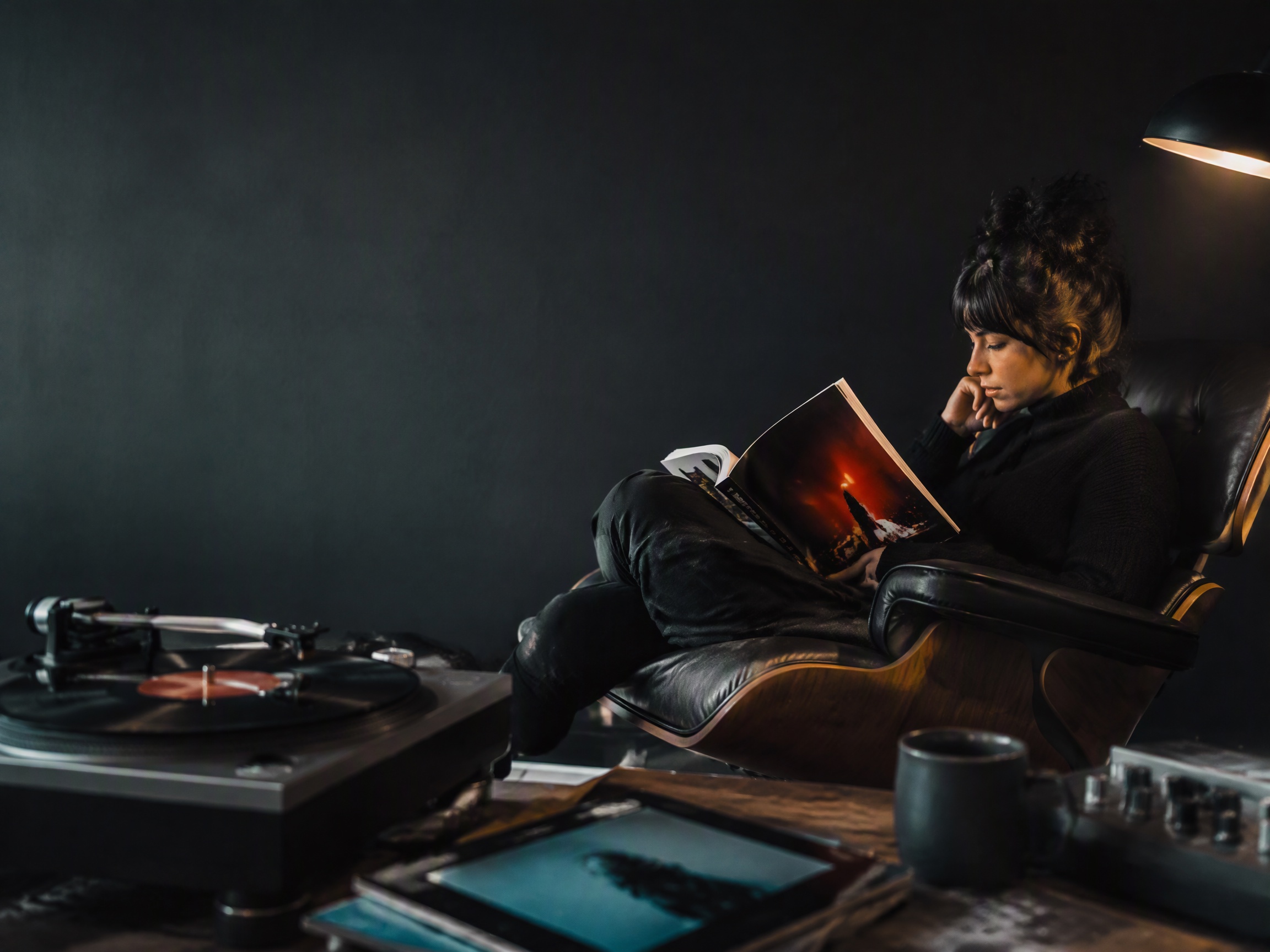
The refine-and-repeat loop
Mureka becomes more useful when every new generation answers a question. Ask for a darker bridge, a shorter intro, a stronger pre-chorus, a drier vocal, a more open low end, or a cleaner ending. Save the prompt that produced the best musical behaviour, then branch from it. This keeps the workflow fast while giving the final reading track a point of view that belongs to your project.
- Pass one: establish tempo, mood, instrumentation, and structure.
- Pass two: keep the best moment and correct one weakness.
- Pass three: create the edit or alternate version your project needs.
Turn a vague idea into a production brief
A useful reading brief does more than name a genre. It gives the music a job, a listener, and a time-based shape. Start by describing the moment that will sit beside the track: a product reveal, a quiet study block, a character entrance, a chorus that needs to feel earned, or a policy explainer that cannot afford distracting drama. Then define the emotional temperature in plain language and add one physical image the sound should suggest. For reading, the most reliable anchor is a supportive reading bed with controlled energy, predictable transitions, and enough negative space for the listener's task. That sentence gives the model a direction it can interpret while leaving enough space for a memorable detail. Add the intended duration, whether the music is instrumental, and where dialogue or natural sound must remain audible. The result is a brief that can be tested, compared, and revised instead of a one-off request that is impossible to diagnose.
A practical three-line setup
Write one line for context, one for feeling, and one for musical behavior. For example: “A late-night creator edits a reflective montage; the feeling is focused but hopeful; use a supportive reading bed with controlled energy, predictable transitions, and enough negative space for the listener's task with a restrained opening and a wider final lift.” This format makes the creative intent legible to collaborators and to an AI music generator. It also creates a stable reference when you make a second or third version.
Use texture, contrast, and negative space deliberately
The difference between a generic generation and a convincing one is often not the instrument list; it is the relationship between texture and space. Decide whether the sound should feel close or distant, dry or reverberant, tactile or polished, narrow or wide. Then add contrast so the arrangement has somewhere to go. A reading cue might begin with a small rhythmic cell, introduce a warmer counter-line, and reserve its widest stereo image for the emotional turn. If the track supports focus sessions, keep the center clear for the main message and let secondary details move around it. If it supports study playlists, let the hook arrive early enough to survive a short edit. These are production decisions expressed as plain language. They help Mureka V9.5 produce a first draft that behaves like a piece of music rather than a pile of adjectives.
- Name one foreground element that should stay intelligible.
- Name one background texture that can evolve without stealing attention.
- Reserve the biggest contrast for the moment the audience should remember.
- Leave an intentional gap for speech, captions, or environmental sound.
Build versions instead of chasing one perfect take
Treat the first result as a map. Mark the timestamp where the melody, groove, or vocal attitude becomes useful, then decide what the next version must improve. This is faster than rewriting the entire prompt after every listen. A practical reading session can produce a full-length cue, a 30-second edit, a 15-second hook, and an instrumental bed from one shared brief. Keep the identity of the strongest version—tempo, central motif, and emotional direction—while changing only one variable at a time. Ask for a shorter intro, a drier vocal, a softer low end, a clearer downbeat, or a more decisive final chord. The goal is not infinite variation. The goal is a small family of assets that fit the actual timeline, screen, or listening routine where the music will live.
A three-pass listening method
On pass one, listen only for the hook and the emotional turn. On pass two, check whether the arrangement leaves room for the rest of the project. On pass three, test the ending: can you cut, loop, or hand off the track cleanly? Write down one change after each pass and make the next prompt answer that single question.
Compare tools with a repeatable listening rubric
When a creator compares Mureka with another AI music tool, the fairest method is to hold the brief constant and record what actually changes. Use the same words, target duration, vocal setting, and number of generations. Score the outputs on melodic identity, section continuity, vocal intelligibility, texture, editability, and the time required to reach a usable draft. A surprising first listen is not automatically the most useful result, and a polished mix can still fail if it does not leave space for narration. For reading, document the timestamp of the strongest moment and the reason it works. This creates evidence that can survive product updates and personal bias. It also gives readers a practical way to decide whether the workflow fits their project without relying on absolute winner claims.
- Keep the prompt and duration identical across the test.
- Listen on headphones and a small speaker before deciding.
- Record both the best moment and the biggest repair needed.
- Prefer a repeatable workflow over a single lucky generation.
A focused 15-minute creation session
A short session is enough to learn whether this workflow belongs in your toolkit. Spend the first two minutes writing the scene and listener. Spend the next three choosing a supportive reading bed with controlled energy, predictable transitions, and enough negative space for the listener's task and one contrast that will make the arrangement recognizable. Generate a first draft, then listen once without touching the controls. In the next five minutes, keep the strongest timestamp and change one instruction: perhaps the intro is too long, the vocal is too recessed, or the drop arrives before the visual edit. Use the final minutes to create an alternate length or an instrumental version. Save the prompt that produced the best behavior and label the file by use case, not by vague mood. This routine turns experimentation into a lightweight production habit and makes it easier to explain your choices to an editor, collaborator, or future version of yourself.
Checklist before the track leaves the lab
Before publishing or handing off a reading track, confirm that the music still serves the scene it was written for. Check the opening against the first visual beat, make sure the central motif is easy to recognize, and listen for moments where the arrangement masks speech or important sound effects. Review the final transition at the exact length the project needs instead of assuming a full-length render will cut cleanly. If the piece is part of a series, compare its loudness, palette, and emotional temperature with neighboring episodes or posts. Keep a short note about the prompt, the chosen version, and any limitations you noticed. That record is useful when you return to the idea later, and it keeps the workflow honest: the generated draft is a starting point, the editorial decision is still yours, and the best result is the one that makes the finished project clearer.
- Does the first musical event support the first visible event?
- Can the listener identify the motif after one pass?
- Is there enough space for dialogue, captions, or natural sound?
- Does the ending cut or loop without an awkward tail?
- Have you kept the prompt and version notes for future edits?
RELATED PATHWAYS
Continue with a more specific workflow
COPY-READY PROMPT
Create an original reading track for focus sessions. Use a supportive reading bed with controlled energy, predictable transitions, and enough negative space for the listener's task. Give it a clear opening, a memorable central motif, purposeful contrast between sections, expressive but controlled production, and a clean ending. Keep the arrangement easy to edit and leave room for dialogue or sound design where needed.
Questions creators ask
What makes a good reading prompt?
Name the scene, the listener, the emotional job, and two or three musical behaviours. The descriptor on this page—a supportive reading bed with controlled energy, predictable transitions, and enough negative space for the listener's task—is a stronger starting point than a list of vague adjectives.
Can I make an instrumental version in Mureka?
Yes. Add “instrumental only,” explain what should carry the hook, and specify how much space the track must leave for dialogue, narration, or sound design.
How should I compare Mureka with Suno or Udio?
Use the same prompt, duration, vocal setting, and number of generations. Compare melody, structure, vocal clarity, texture, and how quickly you can revise a usable idea.
Is this workflow suitable for beginners?
Yes. Start with the copy-ready prompt, listen once for the strongest moment, and change one musical instruction at a time. You can learn the workflow without a DAW.
What should I do when the first result is close but not right?
Keep the part that works and make the next generation answer one question: tighten the groove, move the vocal forward, simplify the arrangement, change the emotional turn, or create a shorter edit.
SEARCH INTENT MAP